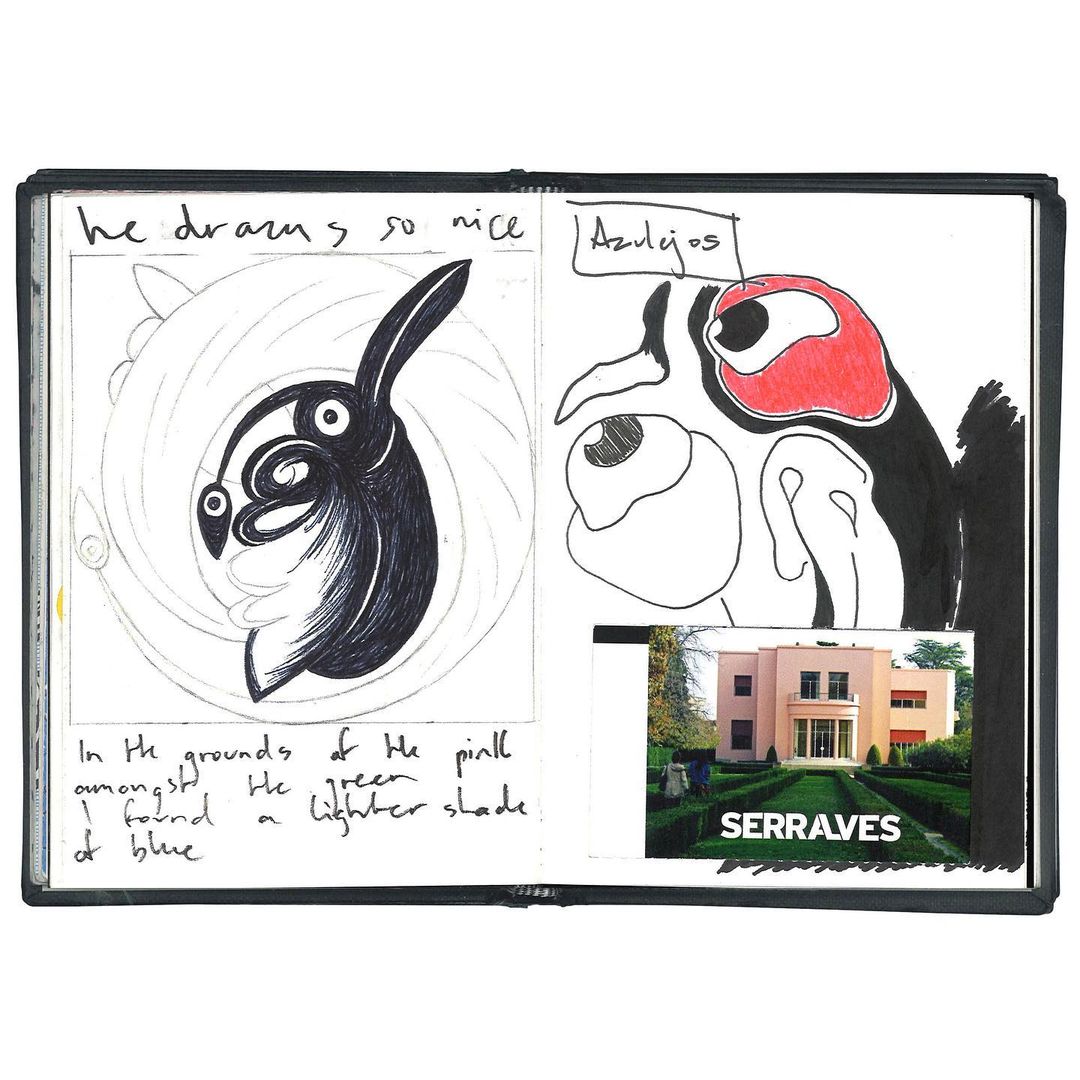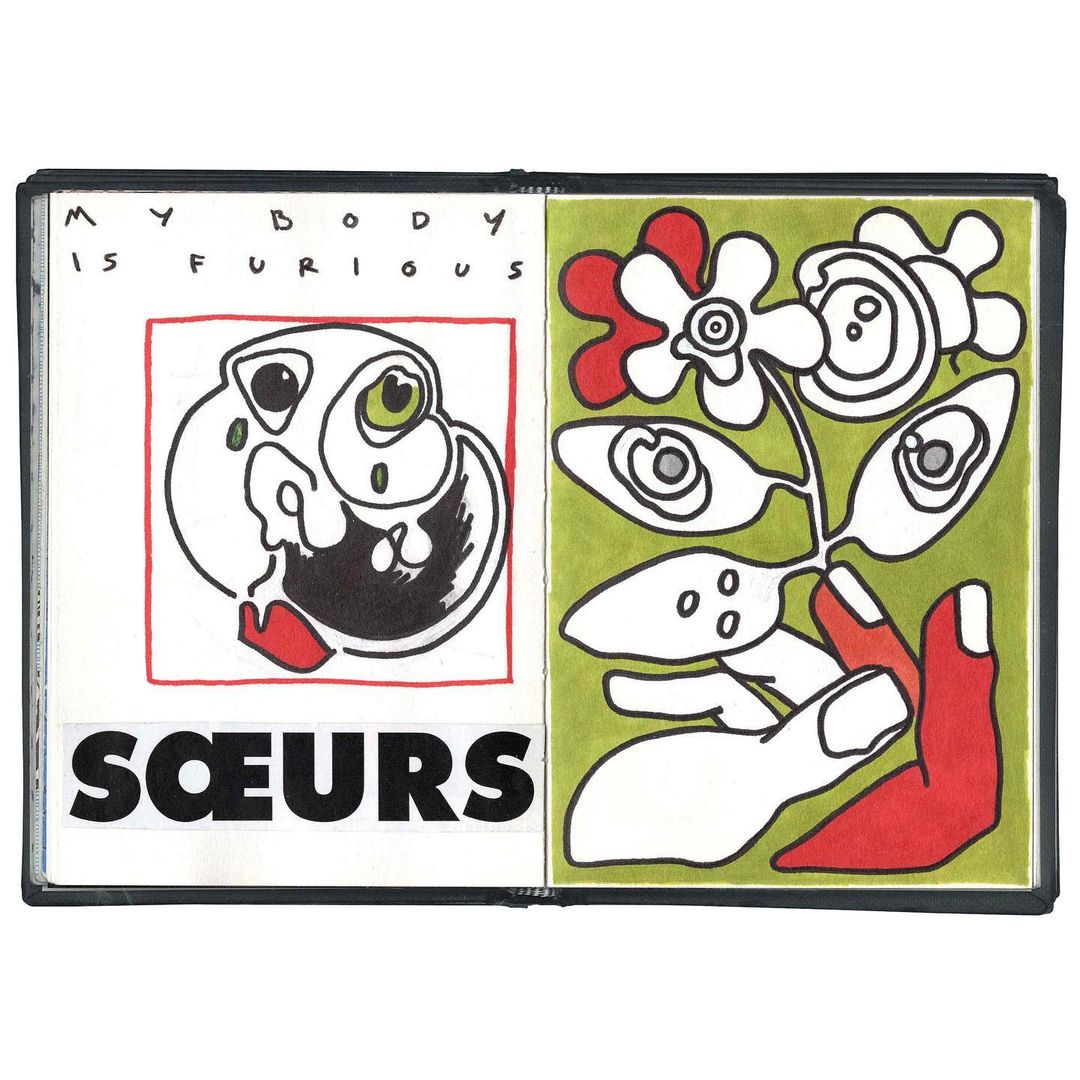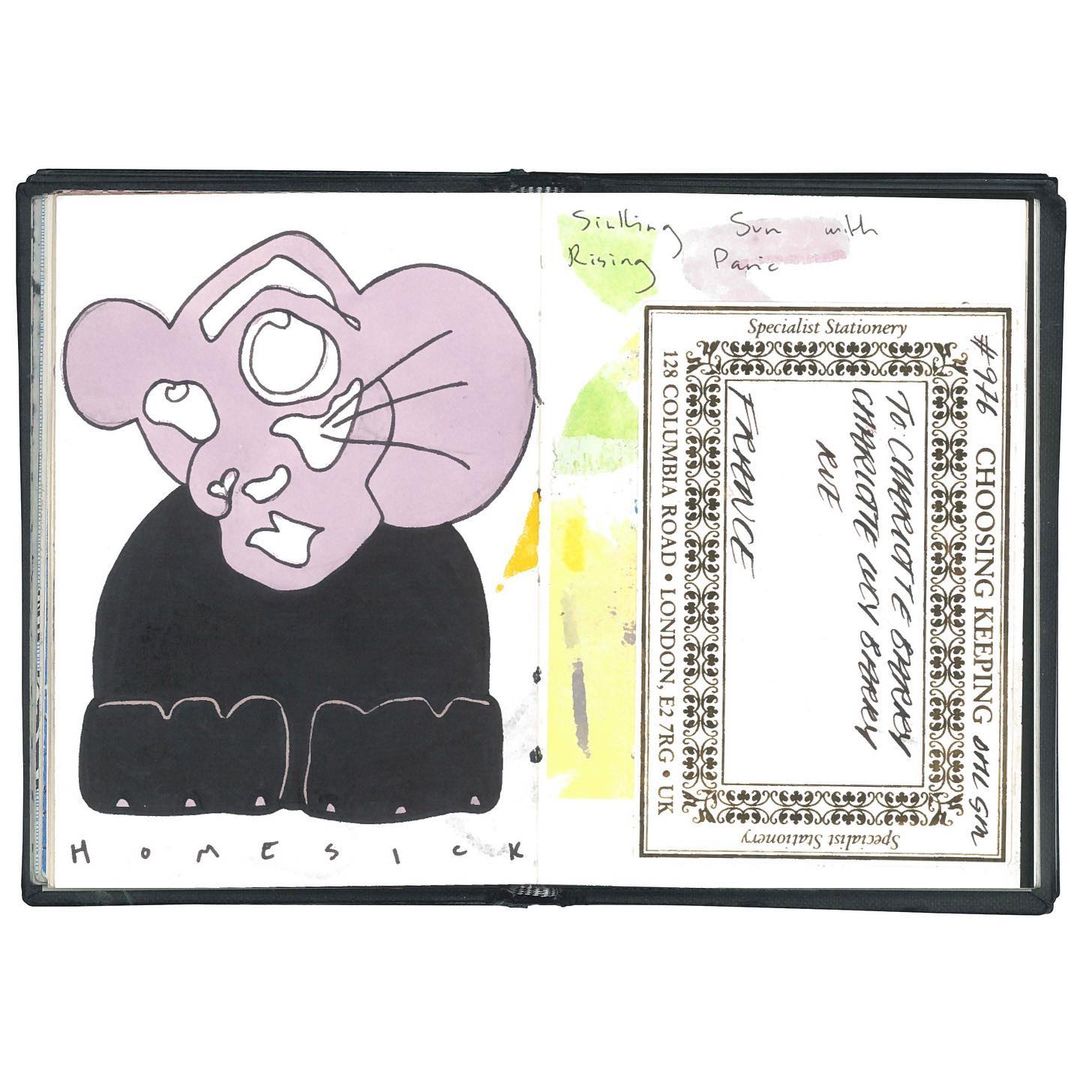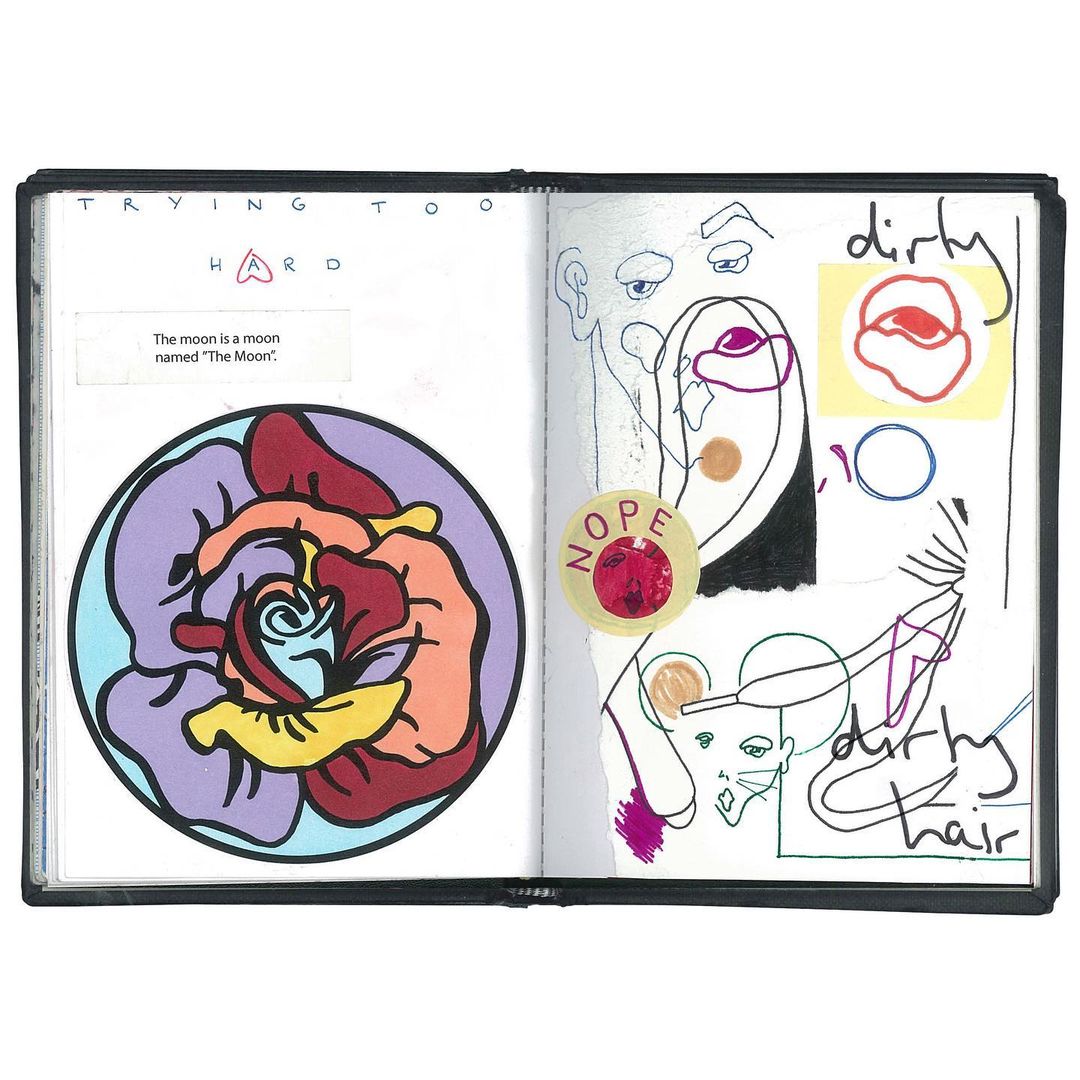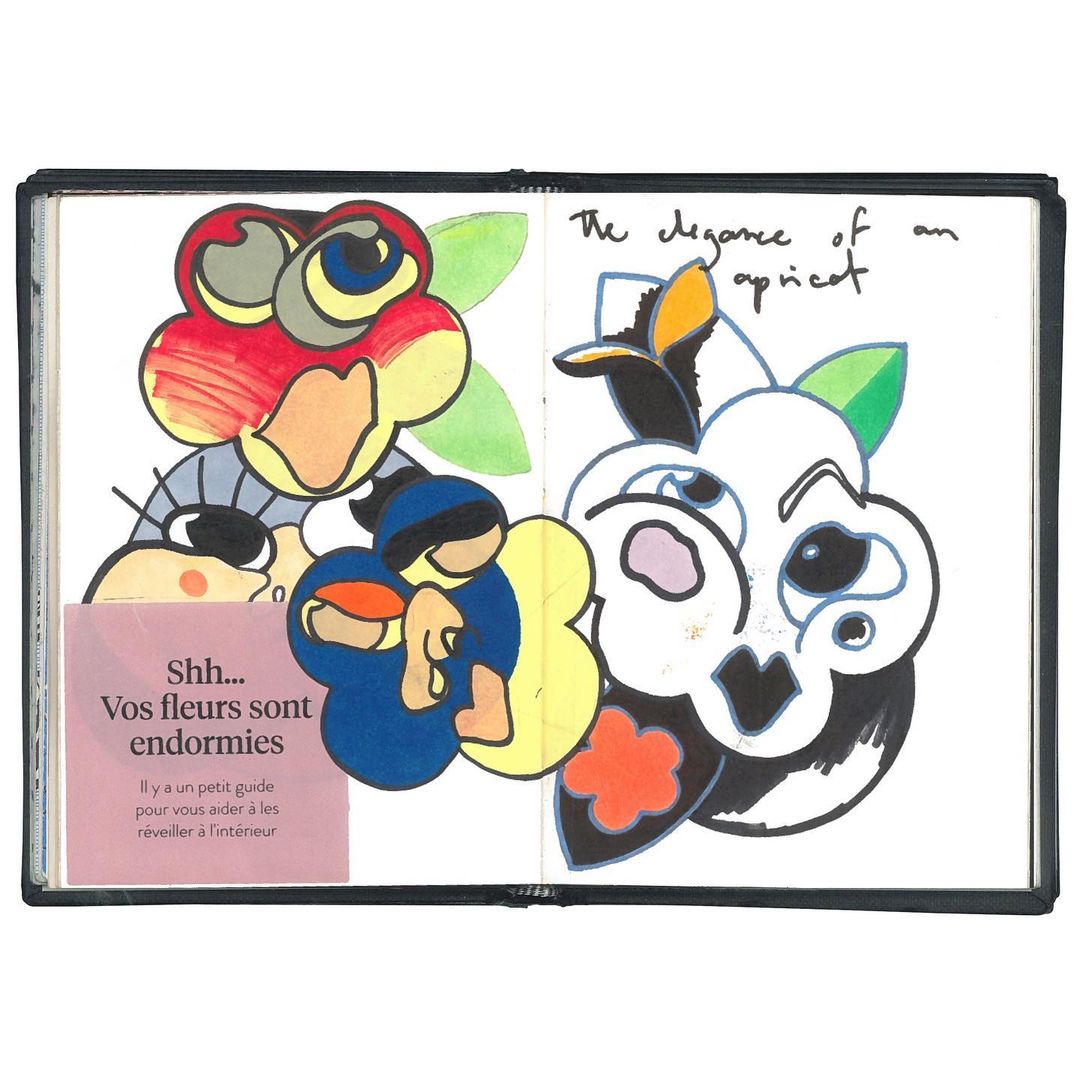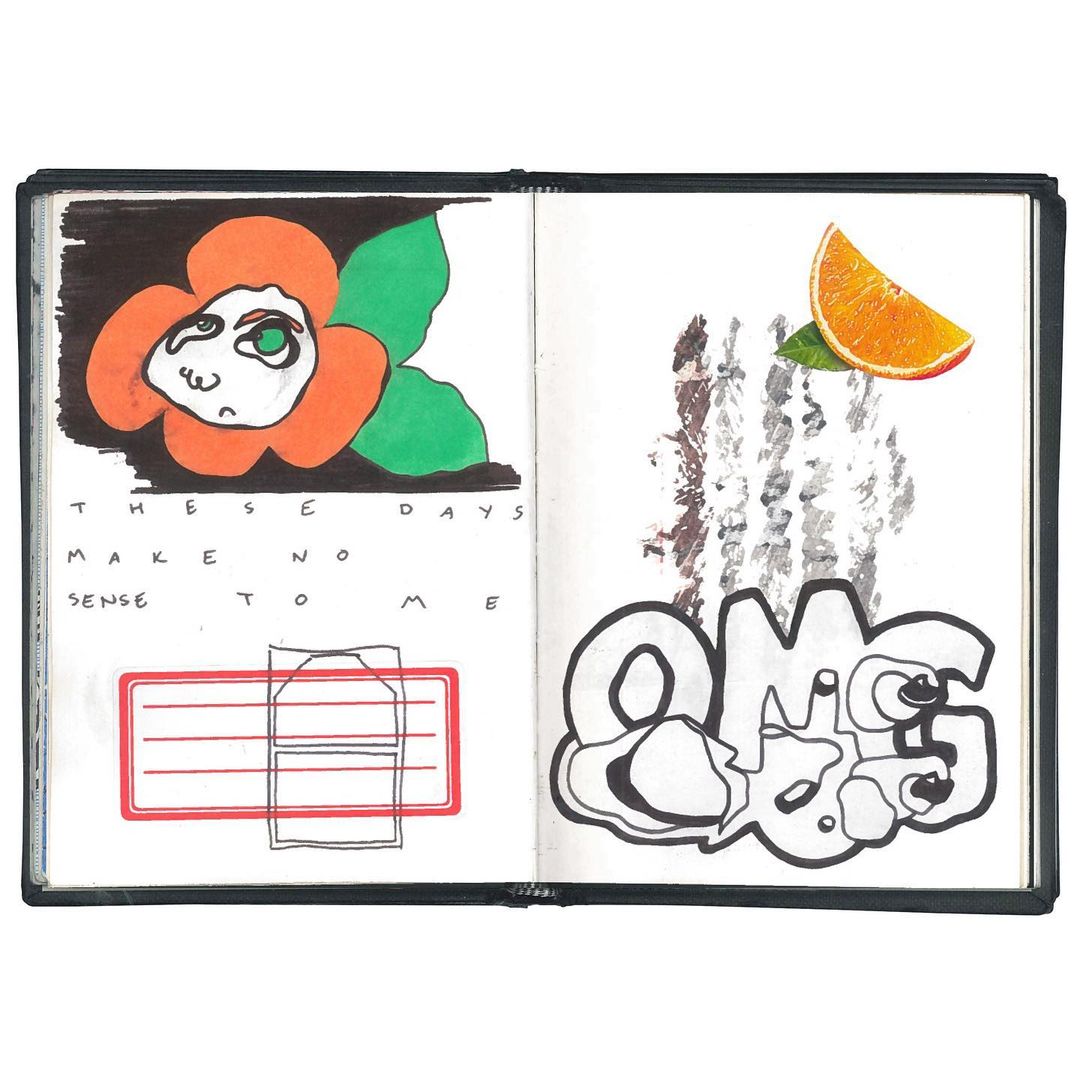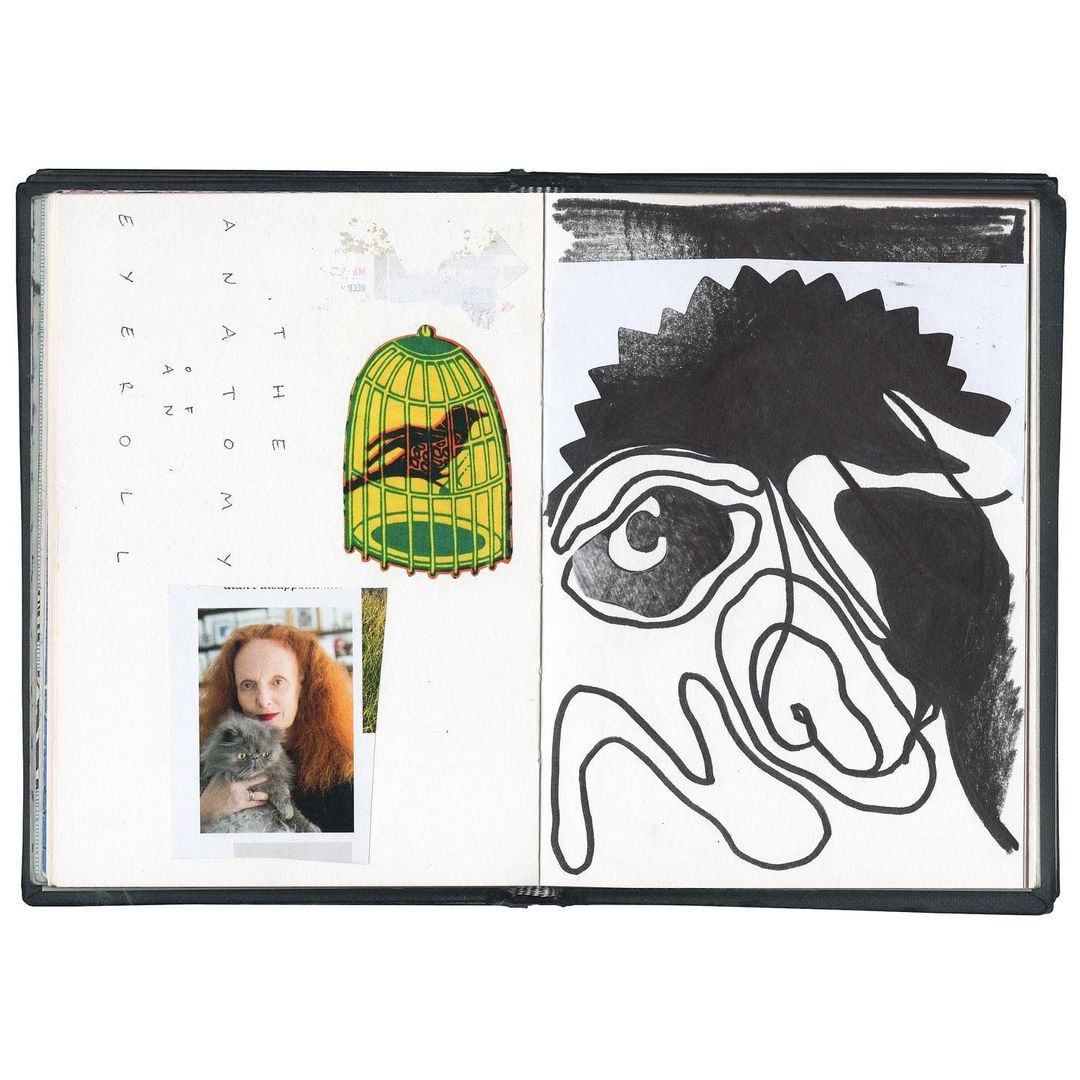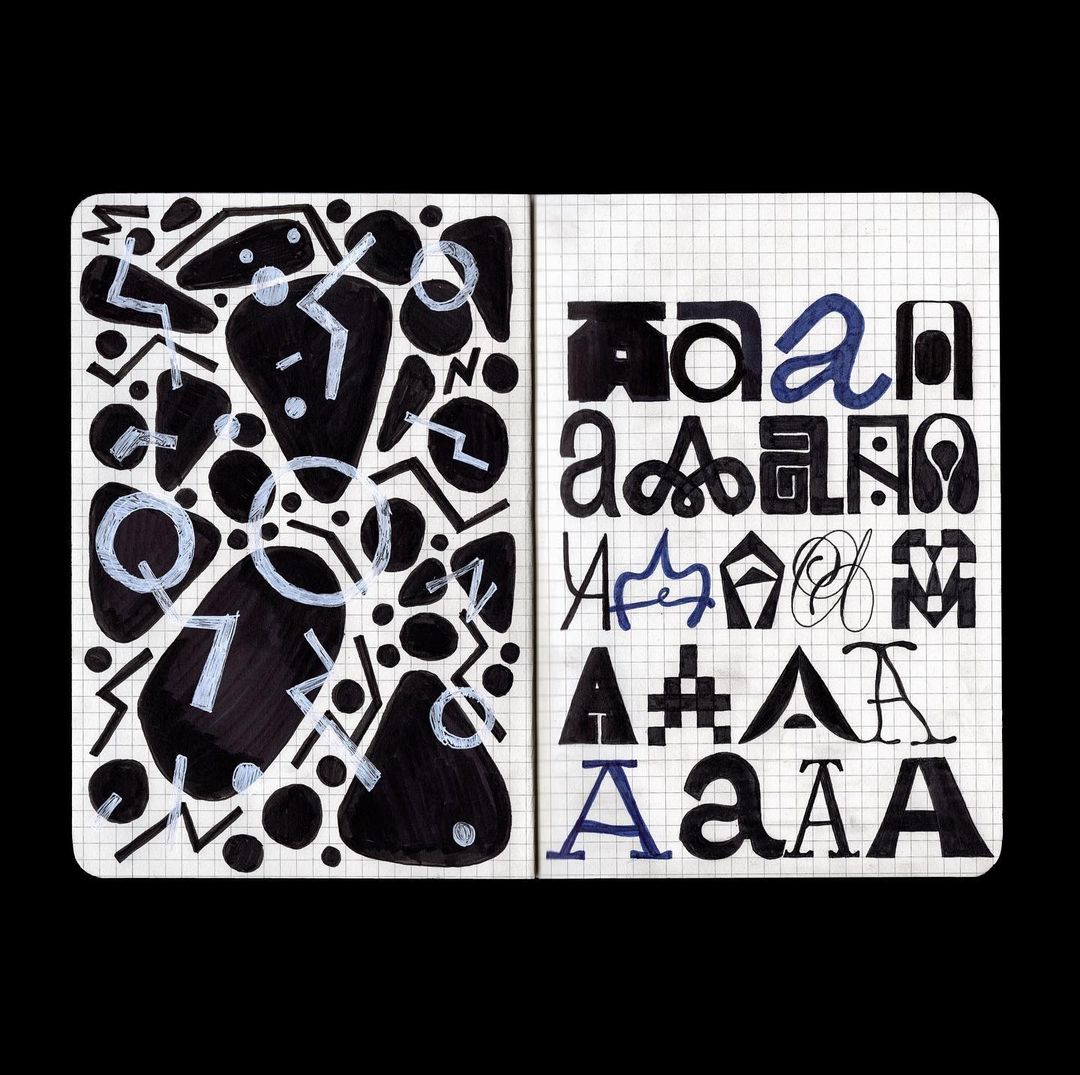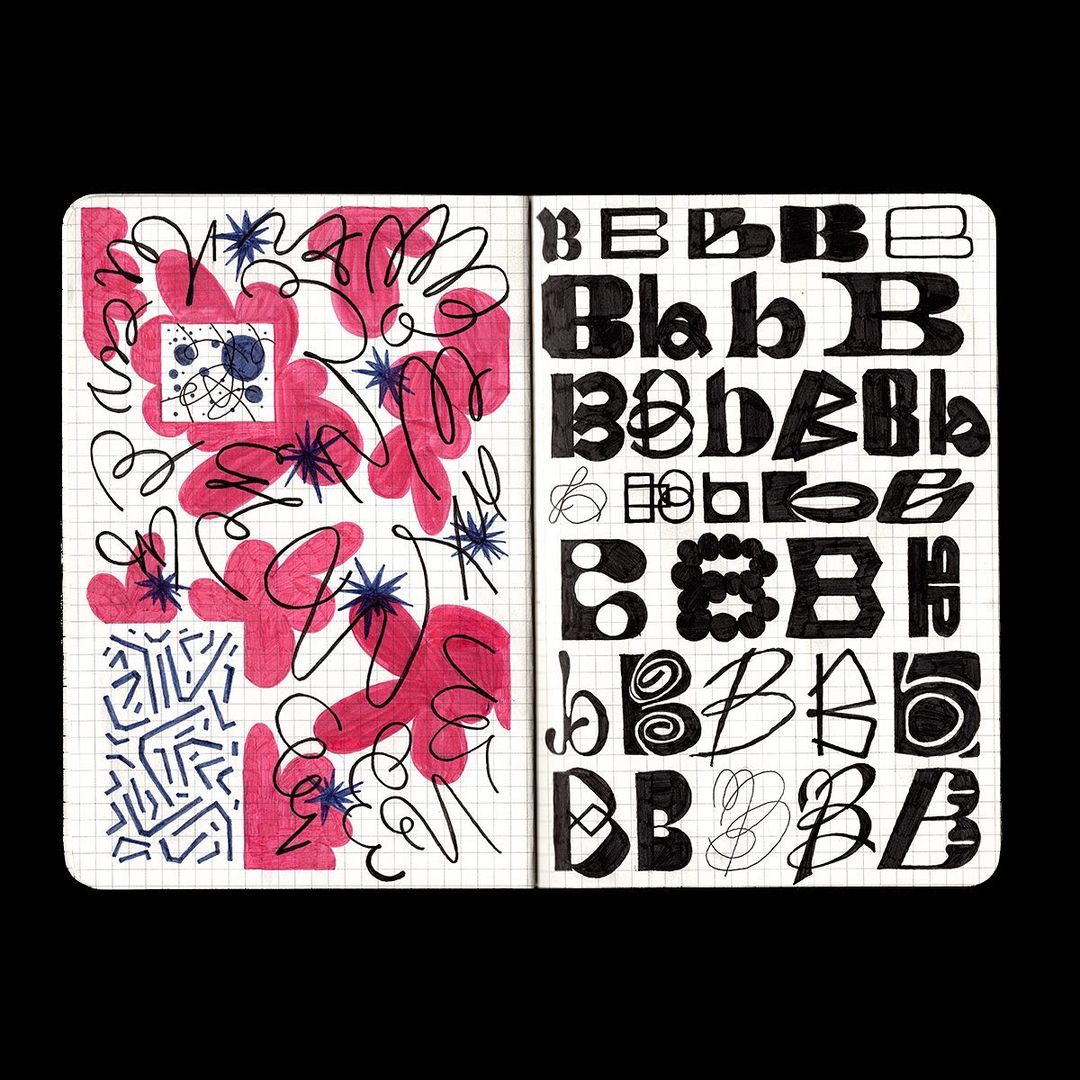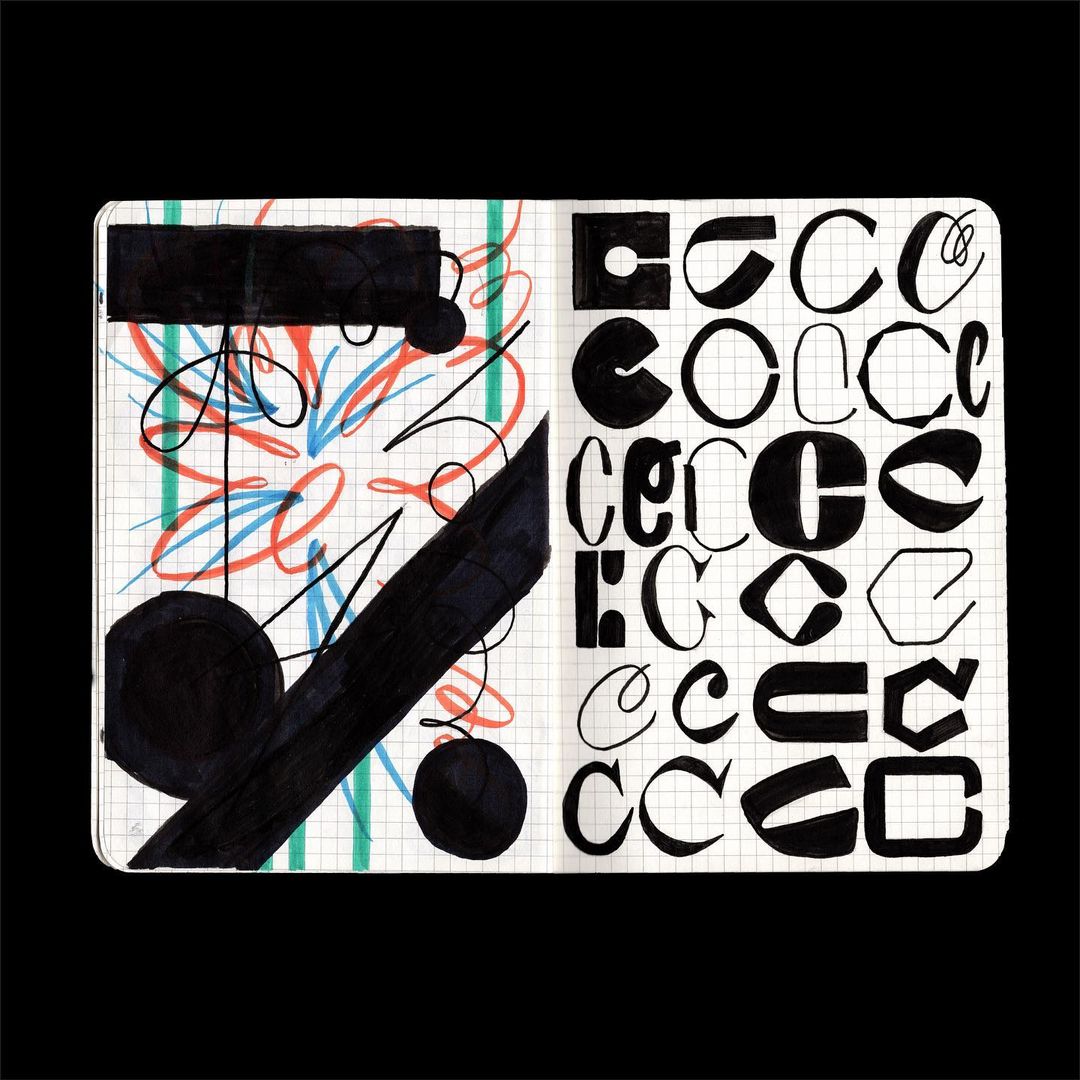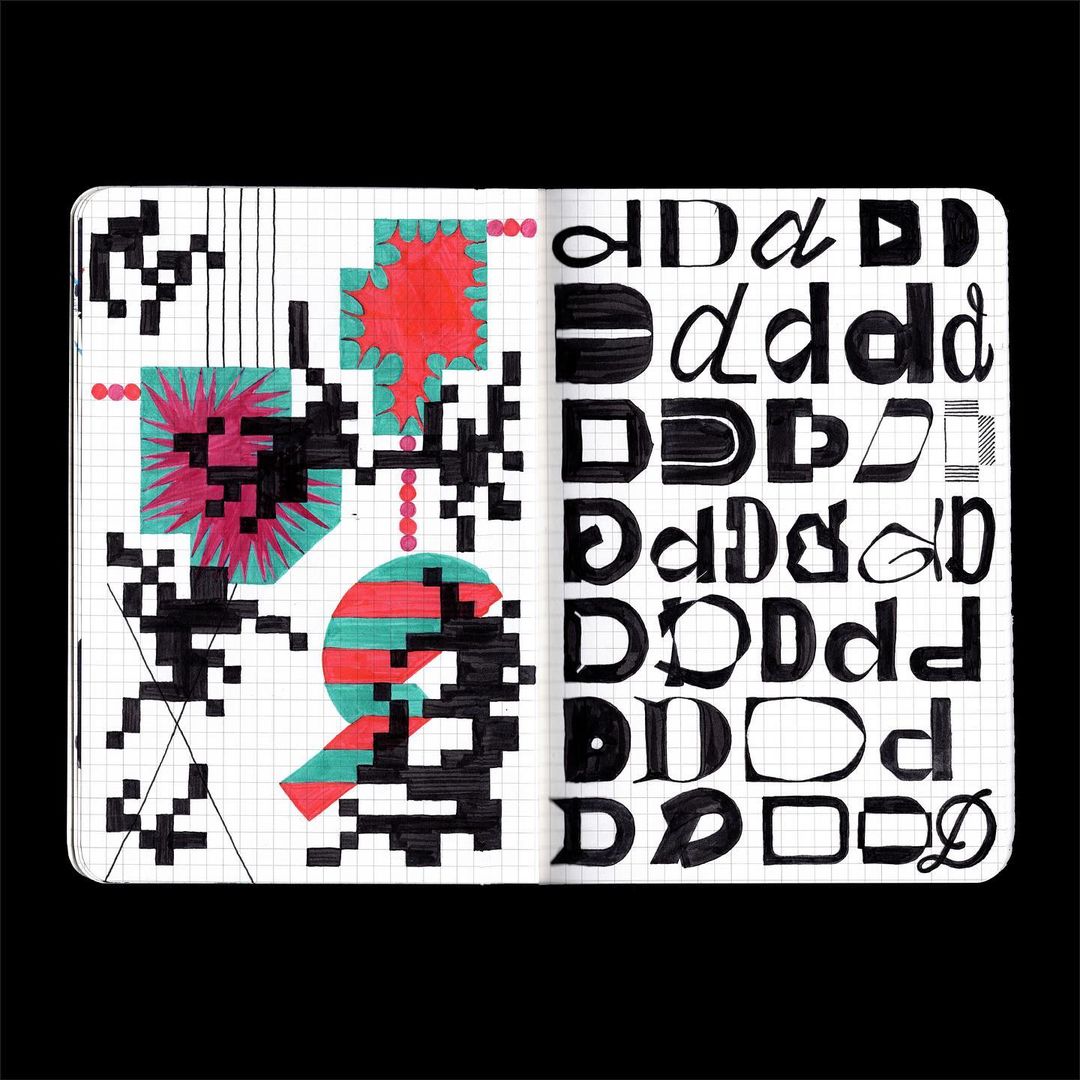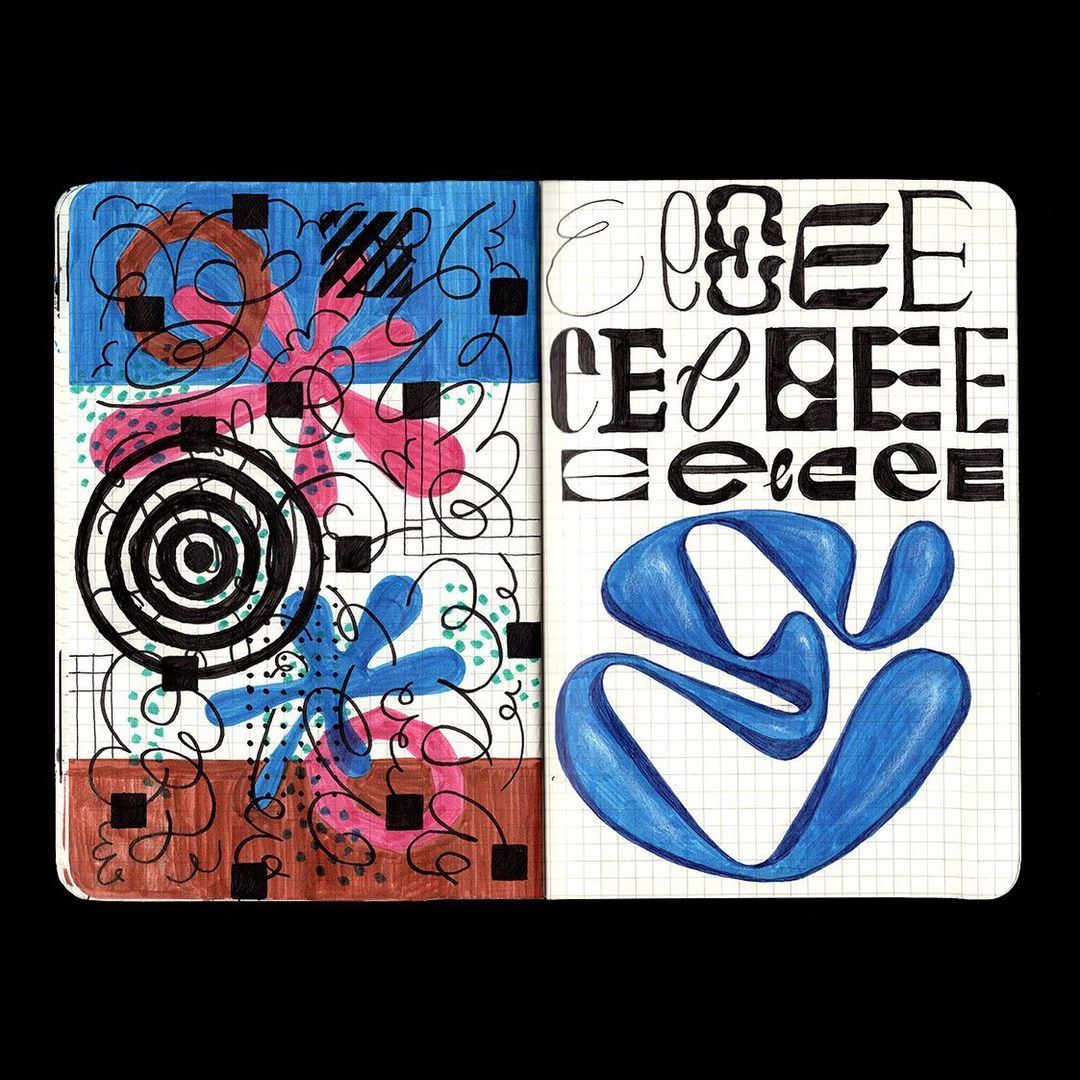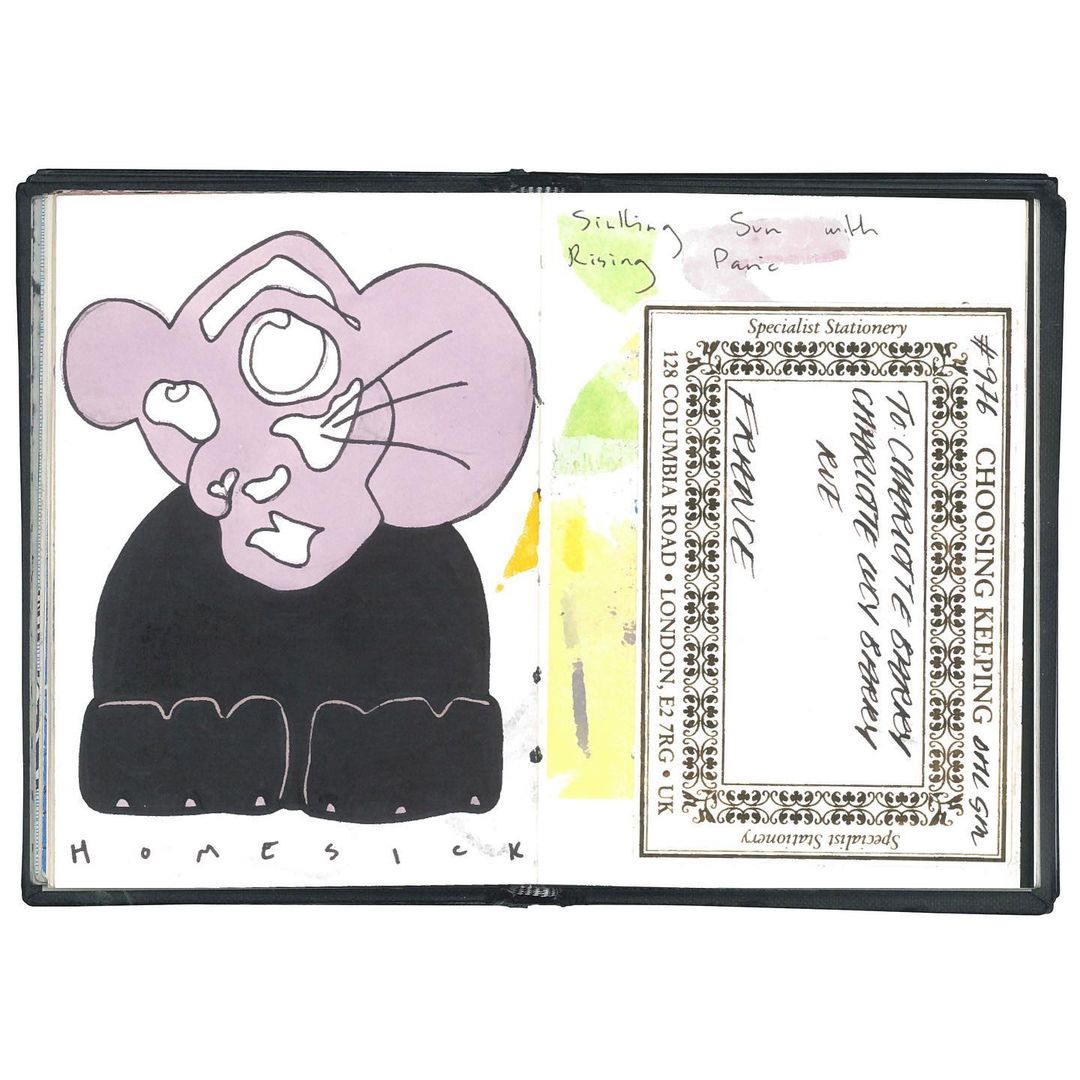
Creative visual journals, in other name sketchbooks, are a personal space to build the ideas that take form. Basically, sketchbooks offer us an area that can be used to dig into themes, document memories, play with new techniques and develop new ideas. To sum up, pages that we are completely free to use as we want. A visual journal can contain anything. Rough ideas, artworks in progress, finished artworks, typography trials, collages and sometimes notes, questions, reminders – even a market list – etc.
Creative Visual Journals and Their Owners
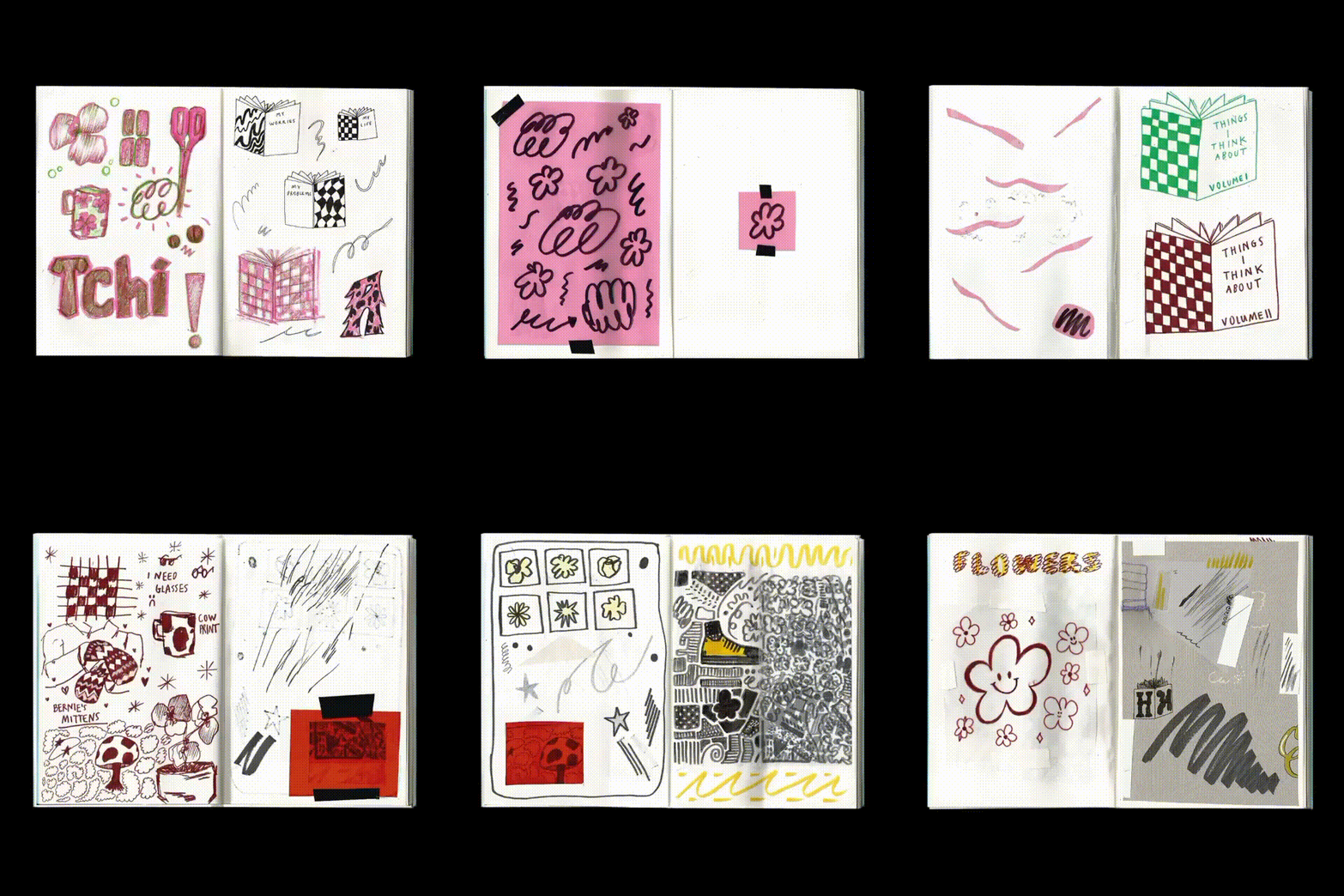
Sketchbooks are used as a part of the creative process. By transferring the ideas that come to our minds through sketches, we watch that idea come to life in our minds and take us to different paths. Sketchbooks tell a lot about whoever owns them. From how we draw the line, our color palette selection, our choice of materials, and the layout of the pages, every detail tells something about our personality and interests. In this selection, we’ll be visiting the pages from sketchbooks that reveal the different styles of three different artists.
Manchester-based designer and illustrator Sam Tomson is recognized for his retro-futuristic style by specializing in making artwork and product designs for the music industry.
Katia Lifshin is a painter who finds inspiration in long gone memories of old photographs. Reviving these moments with a new perspective, the artist tries to resolve humane feelings while forming intimate illusions.
Inspiration Farmer is a collection of artists and designers we discovered recently. We are inspired by their work and decided to make a weekly collection.
French-born, Chicago-based Julia Dufossé is a self-taught designer & illustrator. Combining the inspiration from the airbrush aesthetics of the 70s and 80s with her own style in digital, she creates dazzling, dreamy, glowy, and slightly hazy illustrations.
Creative Visual Journals: Sketchbook Pages
Creative visual journals, in other name sketchbooks, are a personal space to build the ideas that take form. Basically, sketchbooks offer us an area that can be used to dig into themes, document memories, play with new techniques and develop new ideas. To sum up, pages that we are completely free to use as we want. A visual journal can contain anything. Rough ideas, artworks in progress, finished artworks, typography trials, collages and sometimes notes, questions, reminders – even a market list – etc.
Creative Visual Journals and Their Owners
Sketchbooks are used as a part of the creative process. By transferring the ideas that come to our minds through sketches, we watch that idea come to life in our minds and take us to different paths. Sketchbooks tell a lot about whoever owns them. From how we draw the line, our color palette selection, our choice of materials, and the layout of the pages, every detail tells something about our personality and interests. In this selection, we’ll be visiting the pages from sketchbooks that reveal the different styles of three different artists.
bleugonia

charlottelucybarry (h/t: @designsketchbooks)
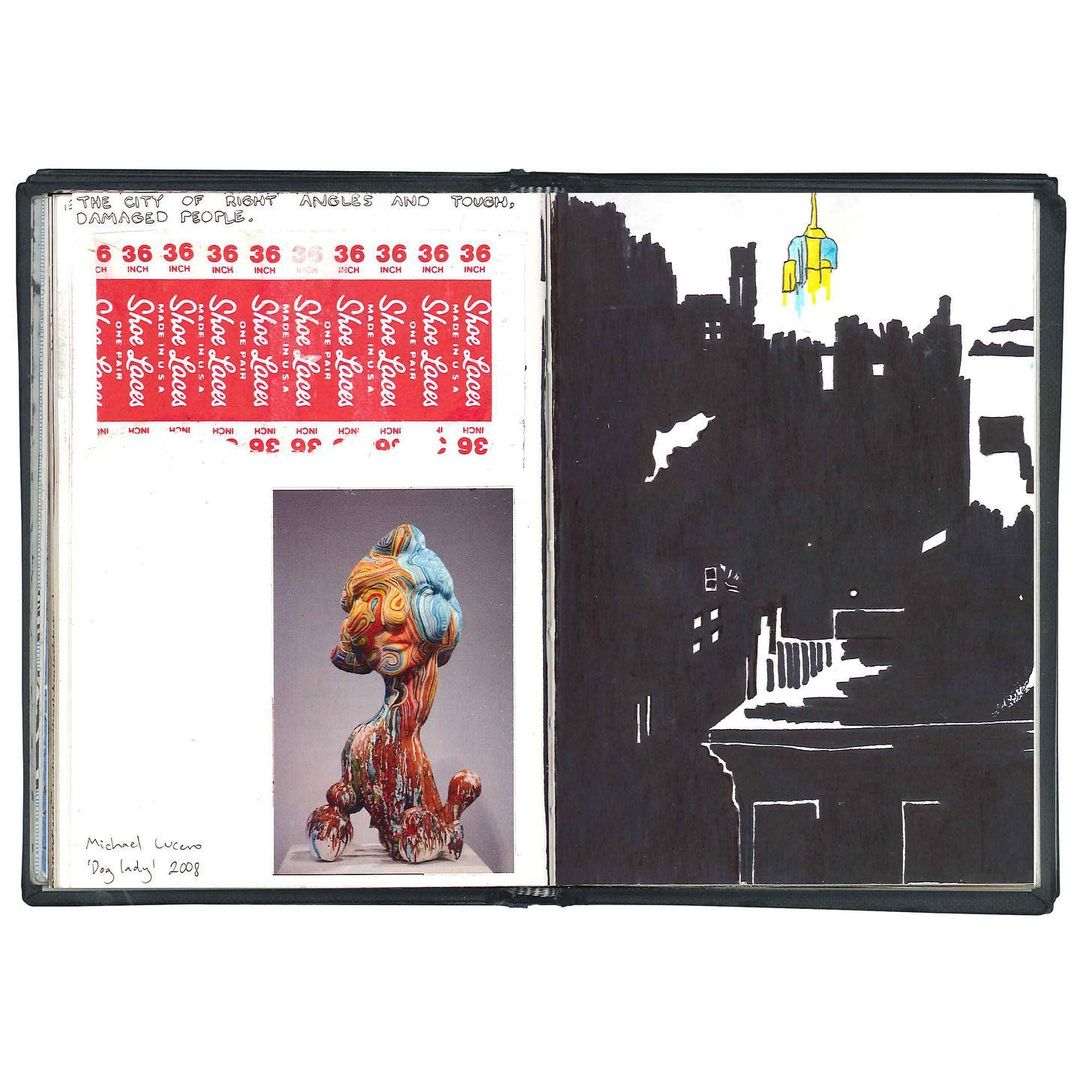
chasegray.co
You can also find us on Twitter and Instagram.
Related Posts
Sam Tomson Pushes Retro Styles to the Future with His Designs in Music Industry
Manchester-based designer and illustrator Sam Tomson is recognized for his retro-futuristic style by specializing in making artwork and product designs for the music industry.
Katia Lifshin’s Paintings Narrate Long Gone Memories With A New Perspective
Katia Lifshin is a painter who finds inspiration in long gone memories of old photographs. Reviving these moments with a new perspective, the artist tries to resolve humane feelings while forming intimate illusions.
Inspiration Farmer #1: Dimitri Guedes, Sophie Vallance, Lou Benesch, Dimitri Mellos and more
Inspiration Farmer is a collection of artists and designers we discovered recently. We are inspired by their work and decided to make a weekly collection.
Julia Dufossé’s Glowing Airbrushed Aesthetic
French-born, Chicago-based Julia Dufossé is a self-taught designer & illustrator. Combining the inspiration from the airbrush aesthetics of the 70s and 80s with her own style in digital, she creates dazzling, dreamy, glowy, and slightly hazy illustrations.